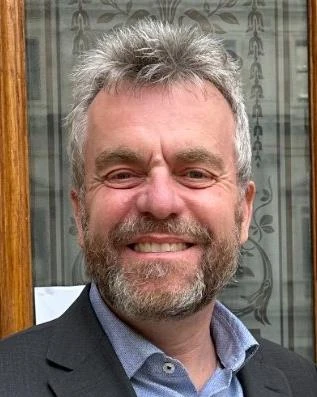
Dr. Robert Massey
DEPUTY DIRECTOR · ROYAL ASTRONOMICAL SOCIETY
Robert also chairs Lewes Astronomical Society of 160 people who stand in a field together even when it’s cloudy.
01 · THE FILM
UK · 2026 · 22 MINUTES · ENGLISH
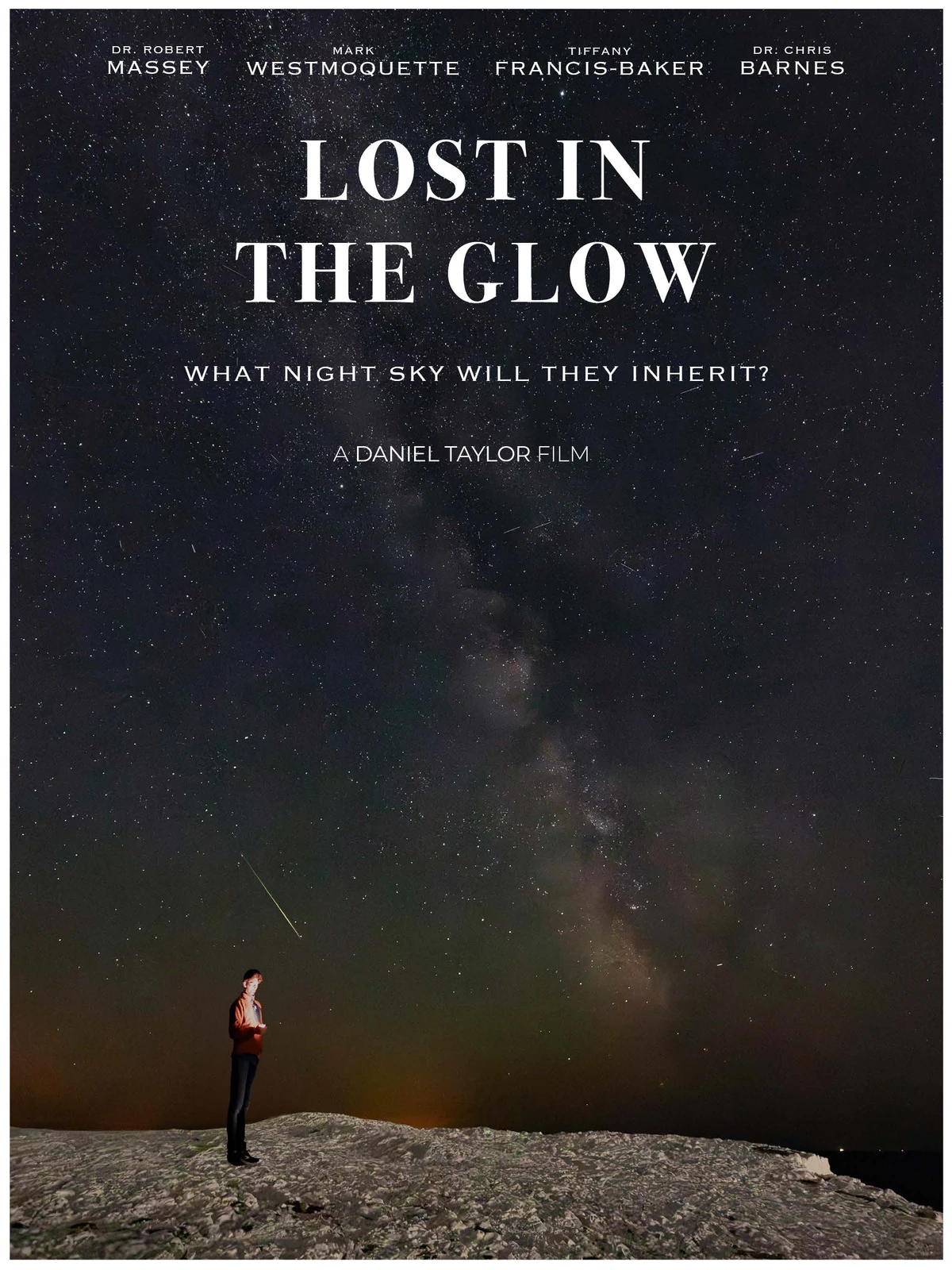
Over one summer, a filmmaker who has never seen the Milky Way goes looking for a dark sky worth handing on to his children and finds that what light pollution takes is not the view, but the reasons we go outside together.
TRAILER · 80 SECONDS
THE FILM
I still do, but making this film was the first time I’d ever seen them properly.
Lost in the Glow follows a single summer, as I go looking for a dark sky worth telling my four-year-old son and one-year-old daughter about. It is written as a letter to them, and woven with a bedtime fable about an archer who loses the stars to a fire built too high.
Along the way I met four friends of the dark. None of them talk much about stars. They talk about their families, their friends, and the memories they made together under them.
It takes twenty minutes for the human eye to adapt to darkness, and most of us give up after a few. The film is built the same way.
“We can’t find each other any more,” said the glow-worms. “Your fire is brighter than we are.”
From The Archer and the Dark
FEATURING
Four people who never stopped going outside at night. None of them are campaigners.
DEPUTY DIRECTOR · ROYAL ASTRONOMICAL SOCIETY
Robert also chairs Lewes Astronomical Society of 160 people who stand in a field together even when it’s cloudy.
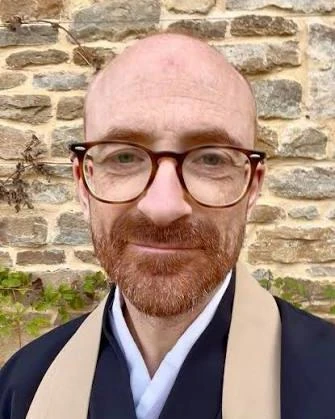
ASTROPHYSICIST, AUTHOR · MINDFUL STARGAZING TEACHER
Gathered data about stars for years, and forgot to look up at them.
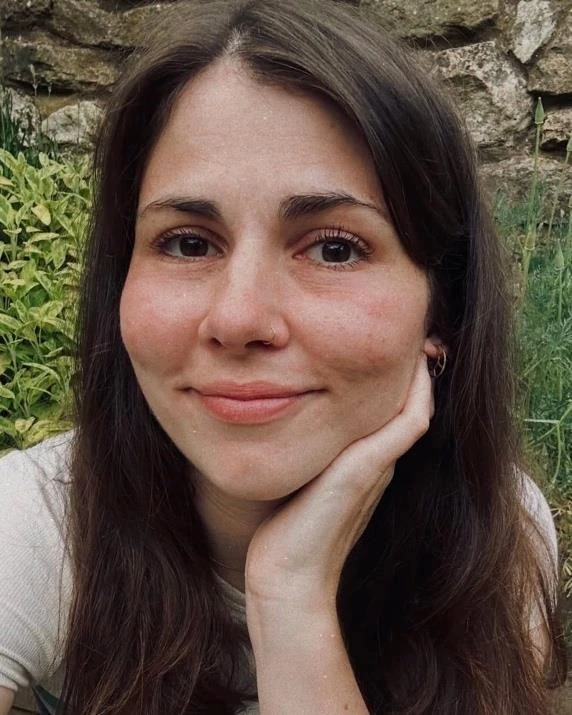
AUTHOR, DARK SKIES
Walks the chalky paths at night with her two dogs.
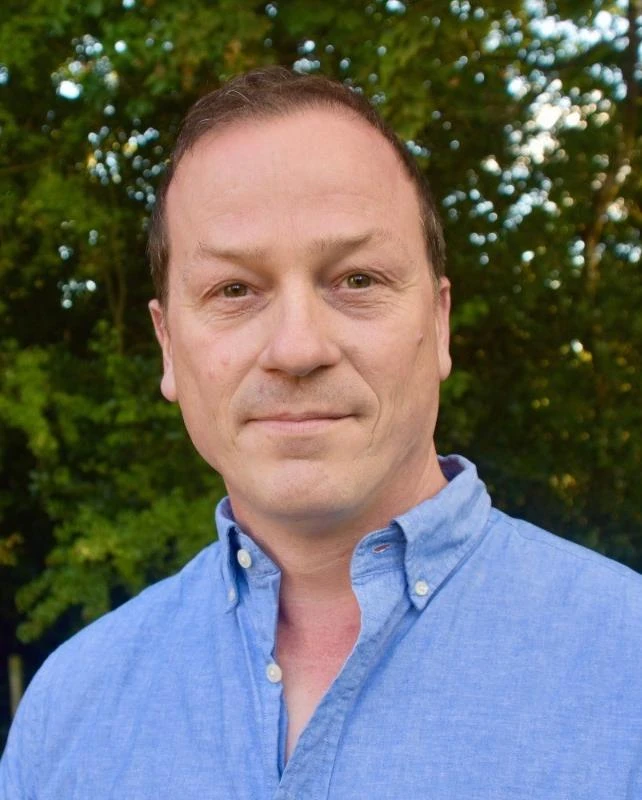
UNIVERSITY OF DERBY
Measures our emotional connectedness to the night sky.
STILLS
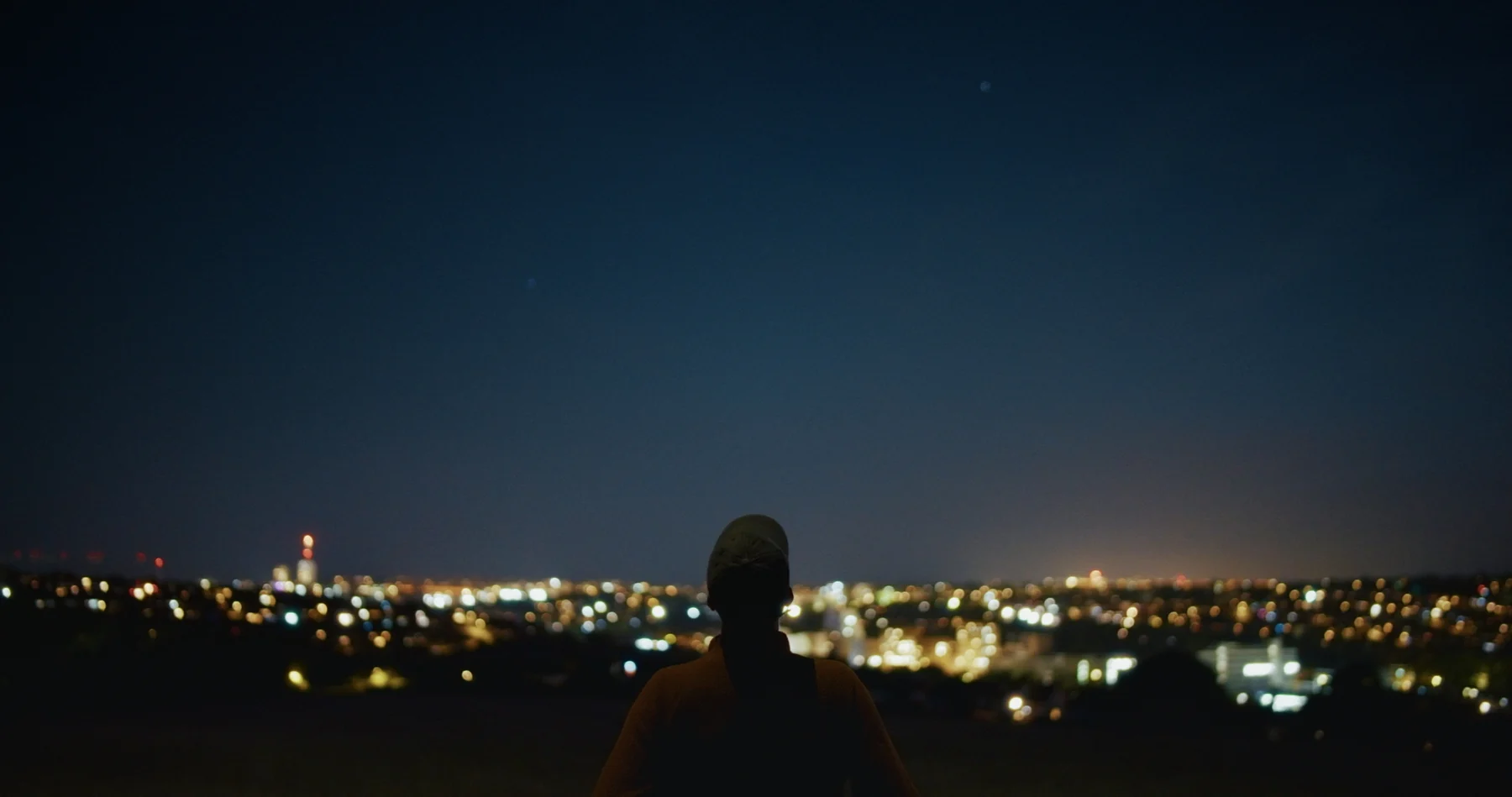
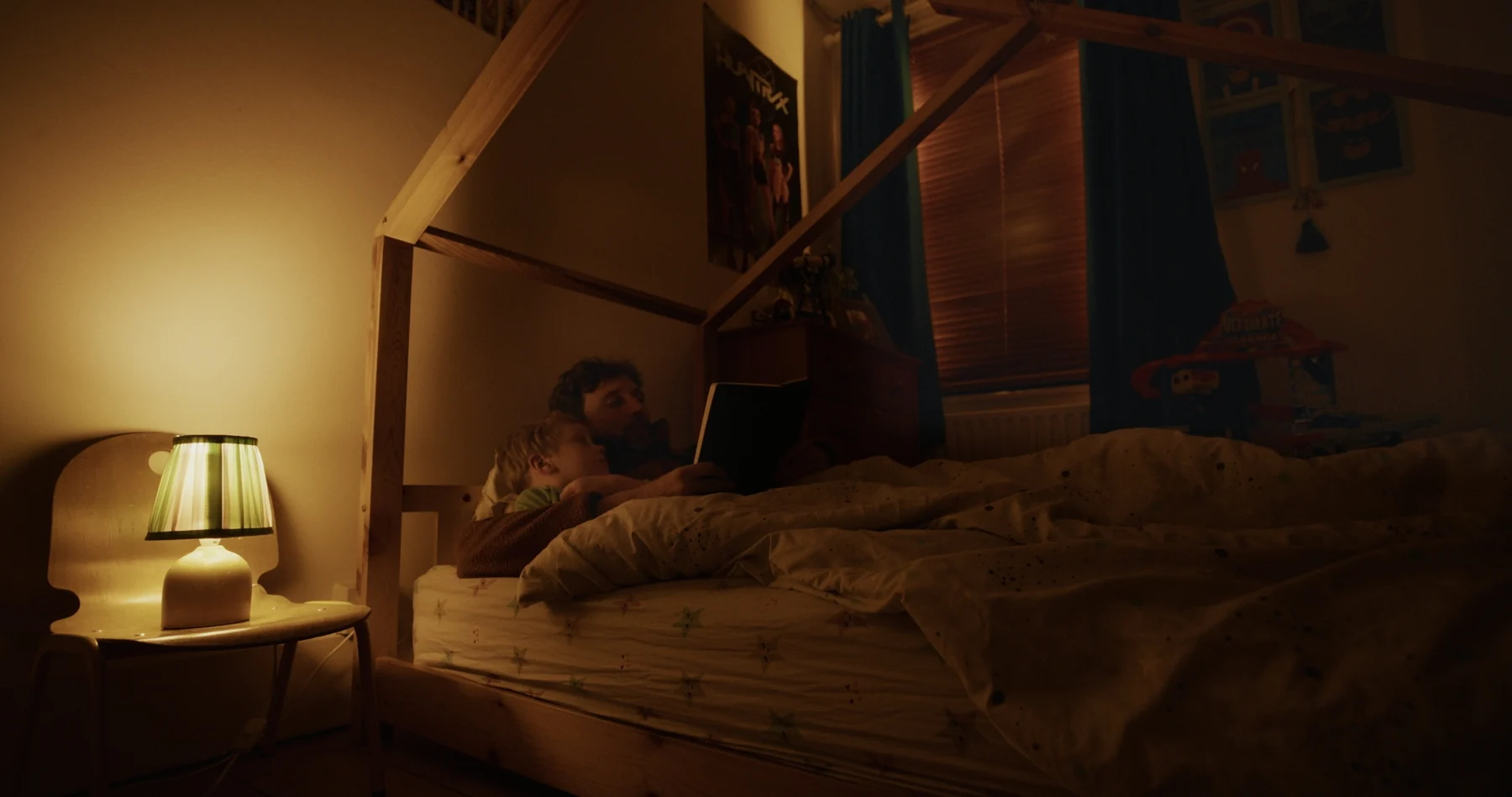
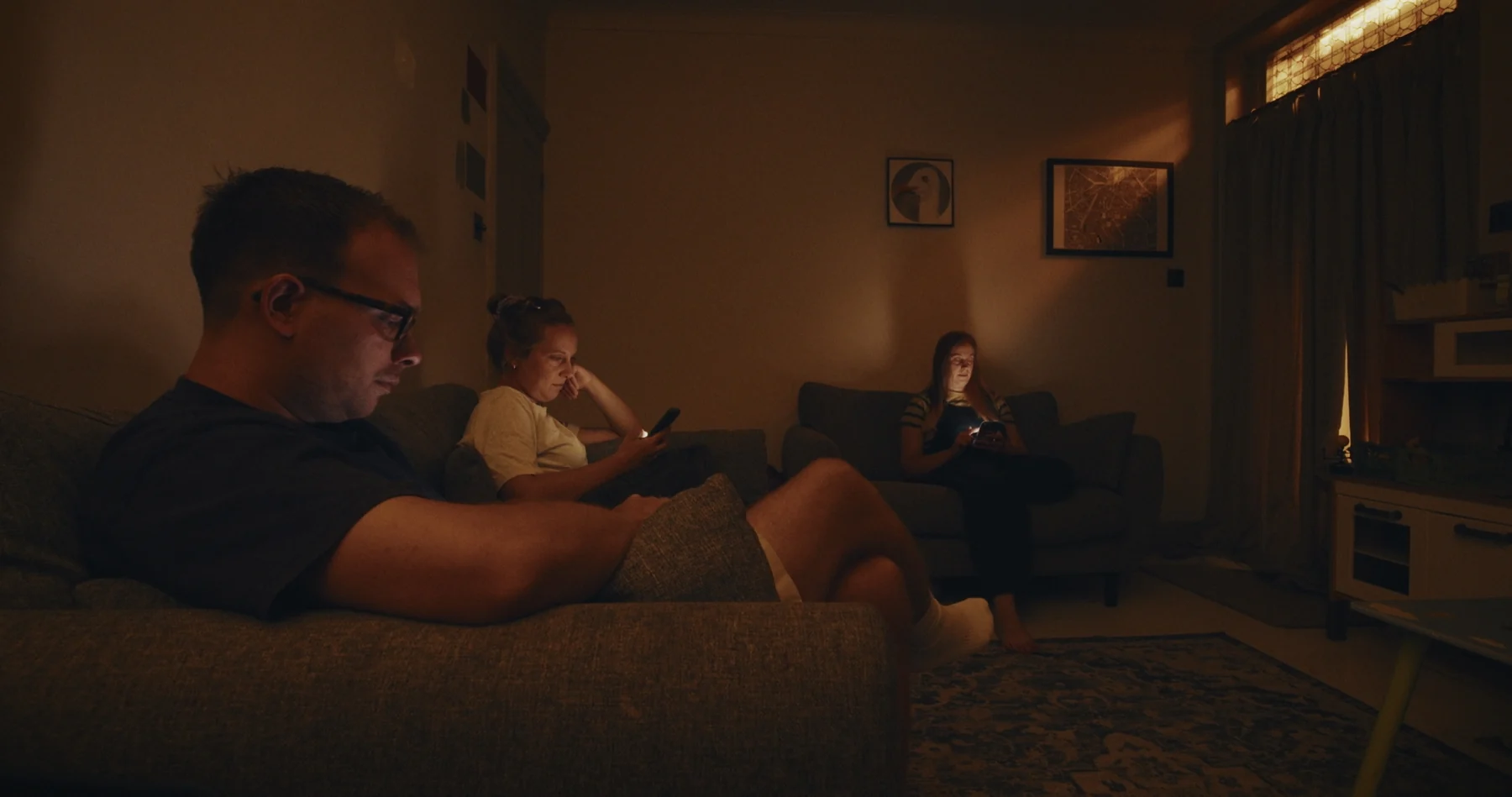
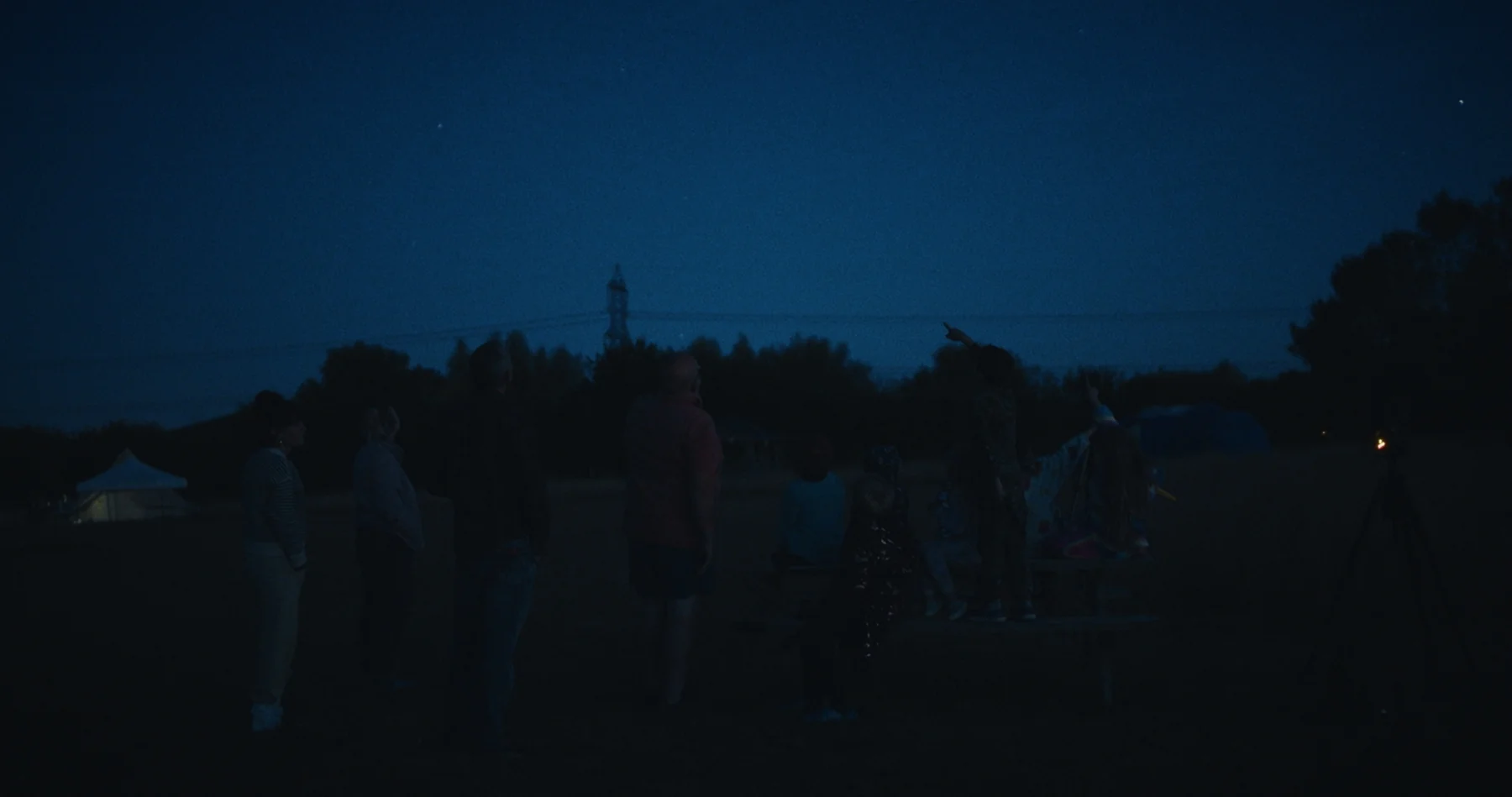
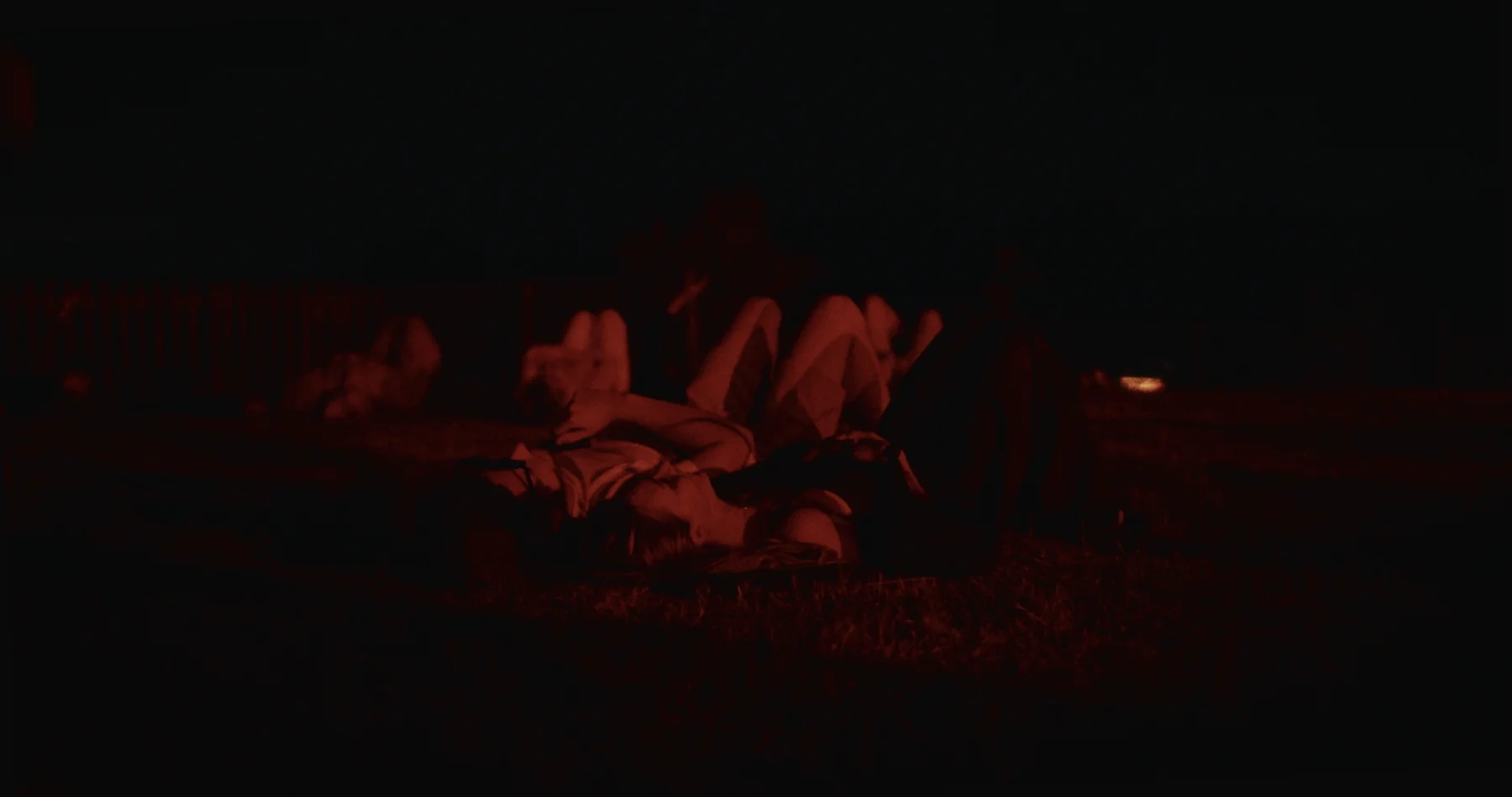
Five moments from the film, moving from the glow towards the dark.
WHY I MADE IT
Every night I turn out my son’s bedroom light, and plastic stars glow on his ceiling in the shape of a constellation he has never seen for real. He’s four. His sister is one.
It took me an embarrassingly long time to notice that the sky I was giving my children was made of plastic, and that when we opened the curtains, light pollution had left nothing above the roofs to compare it to.
Then I realised I hadn’t seen a proper night sky either. I was thirty-three before I saw the Milky Way, and I only saw it because I made this film and went looking for the dark.
I gave myself a summer to find things worth telling my family about. The solstice, when the nights start getting longer again to a moonless August night at the Seven Sisters where the Milky Way finally arrived.
I wrote it as a letter to my children, because it was the only honest form for it. I’m not an astronomer or a campaigner. I’m a parent who got worried about the glow in the sky.
Throughout my journey, I met four friends of the dark. None of them talked much about stars. They talked about their families and friends, and the memories they made together.
Going out and looking up is free. It always has been. But there has to be something there to look at.
Daniel Taylor